 Reviews


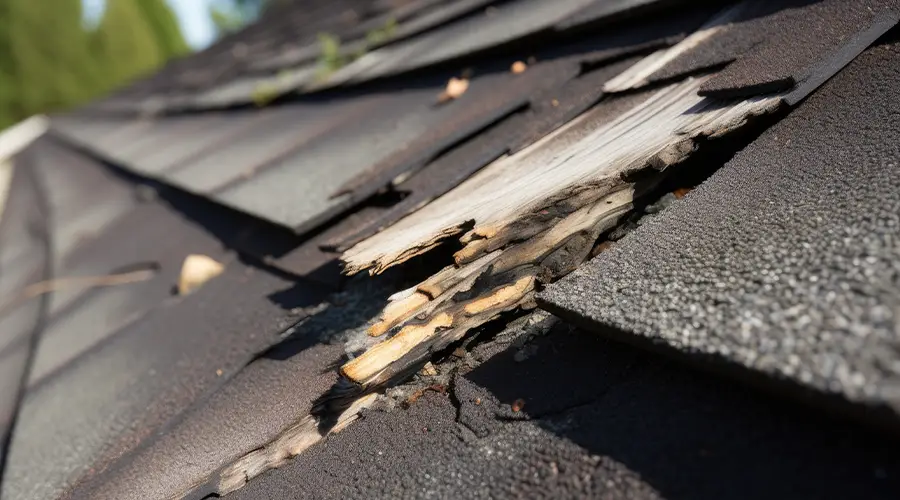
Storms can do more damage to a roof than many homeowners realize. High winds, heavy rain, hail, and falling debris can weaken roofing materials, loosen protective components, and create hidden problems that may not be obvious right away. Sometimes the damage is visible from the ground. In other cases, it stays unnoticed until a leak appears inside the home days or even weeks later.
Knowing how to spot roof damage after a storm can help you act quickly and protect your property from more serious issues. The sooner damage is identified, the better chance you have of preventing water intrusion, mold growth, and more expensive structural repairs. In this guide, we will explain what homeowners should look for after severe weather, which warning signs should never be ignored, and when it is time to call a roofing professional.
Why Storm Damage Should Be Checked Quickly?
After a major storm, many homeowners assume that if the roof is still in place, everything is probably fine. Unfortunately, roofing damage is not always obvious from the street. Wind can lift shingles without tearing them off completely. Hail can bruise roofing materials in ways that shorten their lifespan. Rain can enter through small weak points and begin damaging attic insulation or wood decking, making timely storm damage roof repair essential.
Checking for damage early matters because it can help you:
- Catch leaks before they spread indoors
- Prevent small issues from becoming larger repairs
- Protect insulation and attic materials
- Reduce the chance of mold and moisture damage
- Document problems while storm-related evidence is still fresh
- Plan repairs before the next round of bad weather
Even a quick visual check after a storm can make a big difference.
Start With a Ground-Level Inspection
The safest first step is to inspect your roof from the ground. You do not need to climb onto the roof to notice some of the most common warning signs. In fact, staying on the ground is often the safest approach until a professional can inspect it properly.
As you walk around the property, look for:
- Missing shingles
- Pieces of roofing material in the yard
- Bent or detached flashing
- Debris such as tree limbs on the roof
- Sagging gutter sections
- Dents on metal roof components or vents
A ground-level view can reveal clear signs that the roof has been affected, even if you cannot see every detail.
Look for Missing, Lifted, or Damaged Shingles
Shingles are one of the most common parts of the roof to suffer storm damage. Strong wind can loosen them, heavy rain can exploit weak points, and hail can crack or bruise the surface.
After a storm, look for signs such as:
- Shingles that are completely missing
- Shingle edges that appear lifted or curled
- Cracks or tears in visible shingles
- Sections of the roof that look uneven
- Fresh patches where the roof color looks different
Even if only a few shingles are damaged, the exposed areas beneath them can become vulnerable to leaks.
Check Gutters and Downspouts for Clues
Your gutter system can tell you a lot about the condition of the roof after a storm. Roofing materials often leave behind evidence when they are damaged.
Inspect gutters and downspouts for:
- Granules from asphalt shingles
- Pieces of broken shingles
- Metal flashing fragments
- Blockages caused by storm debris
- Pulling or separation from the roofline
A large amount of granules in the gutters can be a sign that shingles took a hit during the storm and may now be wearing down faster.
Watch for Hail Damage Signs
Hail can be especially difficult for homeowners to identify because it does not always leave dramatic visible holes. Instead, it may bruise or weaken the roof surface in a way that becomes a problem later.
Possible signs of hail damage include:
- Dark or soft-looking spots on shingles
- Loss of protective granules in specific areas
- Dents on gutters, vents, or flashing
- Cracks in shingles or roof accessories
- Damage to outdoor items such as patio furniture, siding, or window screens
If hail hit other exterior surfaces around your home, there is a good chance the roof may have been affected as well.
Inspect Flashing and Roof Features From a Safe Distance
Flashing protects areas where the roof meets chimneys, skylights, vents, and wall connections. These spots are especially vulnerable during storms because wind and rain can force water into gaps if flashing becomes loose or bent.
From a safe position, look for:
- Flashing that appears lifted or out of place
- Bent metal around roof penetrations
- Loose chimney flashing
- Damage near skylights or vent pipes
- Detached roof accessories
Damage in these areas often leads to leaks even when the main roof surface looks mostly intact.
Check Indoors for Early Leak Signs
Not all storm damage can be seen from outside. Sometimes the first clue appears inside the home. Water can enter through a small gap in the roof and travel before becoming visible indoors.
After a storm, inspect the attic and upper interior rooms for:
- Brown or yellow ceiling stains
- Damp spots on walls
- Musty odors near the ceiling
- Wet attic insulation
- Dripping water or active moisture
- Peeling paint around upper corners
These signs may indicate that storm-related roof damage has already allowed water into the home.
Pay Attention to Tree and Debris Impact
Branches, flying debris, and other storm-driven objects can damage a roof in ways that are easy to miss from below. Even if the impact does not create a large hole, it may crack shingles, dent flashing, or weaken the roof surface.
Common impact-related warning signs include:
- Broken branches on or near the roof
- Fresh dents on vents or metal trim
- Shingle damage in one concentrated area
- Visible debris buildup after the storm
- New sagging or uneven roof sections
If a tree limb struck your roof, it is smart to have the area checked professionally even if the damage seems minor.
Signs the Damage May Be More Serious Than It Looks
Some storm damage is minor and limited to a few components. Other times, the visible signs are only part of the problem. Certain warning signs suggest that the damage could be more extensive beneath the surface.
Be extra cautious if you notice:
- Multiple leaks appearing at once
- A sudden sagging roofline
- Widespread granule loss
- Damage across several roof sections
- Interior water stains that grow after each rainfall
- Loose gutters combined with visible roof wear
These signs may point to hidden moisture damage or broader system failure that needs prompt attention.
What Homeowners Should Avoid Doing?
It is natural to want to inspect the damage closely, but safety should come first. After a storm, roofs can be slippery, unstable, or covered with hidden hazards.
Avoid these common mistakes:
- Climbing onto a wet or damaged roof yourself
- Ignoring minor signs because there is no active leak yet
- Waiting too long to document visible damage
- Assuming the attic is dry without checking it
- Delaying repairs until the next storm causes more damage
A careful visual review is helpful, but some inspections are best left to trained professionals.
When to Call a Roofing Professional?
You should call a roofing professional after any storm that involved strong wind, hail, heavy rain, or falling debris. Even if damage looks minor, a professional inspection can confirm whether the roof is still fully protecting your home.
A roofing inspection is especially important when:
- You see missing or damaged shingles
- Gutters contain heavy granule loss
- Interior stains appear after the storm
- Tree limbs or debris hit the roof
- The roof is older or has a history of repairs
- You want to catch hidden damage before it worsens
A professional roofer can identify both visible and underlying issues and recommend the right next steps.
Final Thoughts
Spotting roof damage after a storm is one of the best ways to protect your home from bigger problems later. Missing shingles, gutter debris, hail marks, flashing damage, ceiling stains, and impact signs are all warnings that your roof may need attention. While some issues are easy to see, others stay hidden until water begins affecting the inside of the home.
By checking your property carefully after severe weather and calling a roofing professional when needed, you can address storm damage early and help keep your home safe, dry, and secure through the next storm season.